How to Join IATSE: Requirements, Application Steps, and Getting Your First Dispatch
A step-by-step guide to joining IATSE: eligibility, permit work, hours requirements, application steps, and how dispatch works once you get your card.

Joining IATSE is less like applying for a job and more like earning your way onto a list. There is no single national application and no universal checklist. Each local union sets its own eligibility rules, its own fees, and its own process for deciding who gets in, which is why the answers you find online tend to contradict each other.
This guide covers the realistic path. How permit work functions as the on-ramp, what locals look for before they will consider an application, what the application itself involves, and what happens after you get your card. That last part matters more than most guides admit. Getting into the union is not the same as getting work, and understanding how dispatch actually operates is what separates new members who stay busy from ones who sit by the phone.
What IATSE Is, and What a Card Actually Gets You
IATSE, the International Alliance of Theatrical Stage Employees, represents the technicians and craftspeople behind live events, theater, film, and television. That includes stagehands, riggers, audio and lighting techs, projectionists, wardrobe, hair and makeup, camera crews, and a long list of specialized crafts.
Membership is held at the local level. Your local covers a geographic jurisdiction and usually a specific craft or group of crafts, and it is the local you apply to, work through, and pay dues to. The International office handles final approval and the broader agreements, but the day-to-day relationship is with your local.
What a card changes in practice:
Wage scales and conditions set by a collective agreement instead of negotiated gig by gig
Benefits eligibility, including health and pension contributions where the local's agreements provide for them
Priority access to work through the local's dispatch or referral system, ahead of non-member workers
Representation and a grievance process when something goes wrong on a call
What a card does not do is guarantee hours. Members are ranked, and new members start at the bottom of that ranking. More on that below, because it is the part people are least prepared for.
The Realistic Path In: Permit Work First
Almost nobody walks in off the street and becomes a member. The standard entry point is permit work.
A permit worker, sometimes called a permittee or grouped under general crew depending on the local, is a non-member who takes calls the local's members do not fill. You work under the same agreement on the same jobs, usually at the same rate, but you are called only after members have had their shot. IATSE is explicit that locals grant permit status at their own discretion and can revoke it without an appeal process, so treat every call as an audition rather than an entitlement.
That sounds harsh, and it is worth being direct about it: permit work is where locals decide whether they want you. Skill matters, but reliability matters more.
How to Get Your First Permit Calls
Contact the local directly. Find your local through iatse.com, then call or email the hall. Ask specifically how to get on the permit or availability list. Do not assume an online form exists.
Be reachable. Calls often go out with very little notice, sometimes same day. A missed message is a missed call, and the dispatcher will move down the list without waiting.
Say yes to the inconvenient work. Overnight load-outs, early call times, short turnarounds. The people who take those calls get offered more of them.
Show up early and prepared. Correct boots, gloves, a flashlight, whatever your local expects. Ask the head what they need instead of waiting to be told.
Get your safety and skills training done. OSHA cards, fall protection, forklift or lift certifications. These make you callable for jobs other permits cannot cover.
Building Hours and Skills That Count
Locals track what you work, and eligibility usually comes down to accumulated days or hours under the local's agreements. The specific threshold varies significantly. IATSE Local 891 in British Columbia, for example, requires permittees to reach 90 days worked under an 891 agreement within a single department before they can apply for membership. IATSE Local 828 takes the opposite framing and caps permit status at three years, meaning you either qualify and apply or you come off the list.
Because these rules are set locally, the only reliable source is your own local's bylaws or business agent. Ask early, in writing if you can, so you know what you are working toward.
Specialized skills tend to shorten the path more than raw hours do. Rigging, automation, audio engineering, followspot, wardrobe with quick-change experience, video and LED wall work. If your local is short on people who can do something, becoming one of those people gets you noticed.
How to Join IATSE, Step by Step
Step 1: Find and Contact the Right Local
Start with the local directory on iatse.com and identify the local that covers both your city and your craft. In larger markets, multiple locals operate in the same geography with different jurisdictions, so a stagehand local, a wardrobe local, and a film local may all be active in the same city. Contacting the wrong one costs you weeks.
If you are unsure, call the hall and describe the work you want to do. Dispatchers and business agents route people constantly and would rather redirect you than process an application that does not belong to them.
Step 2: Confirm You Meet the Eligibility Requirements
Typical requirements across locals include some combination of:
A minimum number of days or hours worked under the local's agreements
Sponsorship, a recommendation, or signatures from existing members
A skills assessment, practical test, or interview
Attendance at an orientation or required training
Current safety certifications
Some locals also open applications only during specific windows or when the membership votes to accept new applicants. If your local works that way, get on the notification list.
Step 3: Submit Your Application
Applications generally ask for your work history with the local, your certifications, and your sponsors or references. Have your own records ready. Keep a personal log of every call you work, including date, venue, employer, department, and hours. Halls make mistakes, and being able to produce your own record resolves disputes quickly.
Step 4: Understand the Fees Before You Apply
There is an initiation fee, and there are ongoing dues. Both are set by the local, and the amounts differ widely. Local 891 publishes a total of $880 to join, broken into a local processing fee, an International processing fee, and the current quarter's dues. Other locals charge more or less, and some allow payment plans or payroll deduction.
Do not budget based on a number you read about another local. Ask yours directly, and ask whether dues are flat, quarterly, or calculated as a percentage of earnings, because that affects what membership actually costs you over a year.
Step 5: Approval, the International, and Probation
Most locals vote on applicants. Once you are voted in and your paperwork is complete, the application goes to the IATSE International office in New York for final approval. You are not officially a member until the International has approved and stamped it, which adds time on top of the local's own timeline.
Some locals also apply a probationary period to new members. Expect the full process, from first permit call to stamped membership, to be measured in years rather than months in most markets.
You Got Your Card. Here Is How Dispatch Actually Works
This is the part that surprises new members, and it is the reason the card is a beginning rather than a finish line.
Call Lists, Seniority, and Why You Might Not Get Called Yet
When a producer, venue, or employer requests crew, the hall does not pick names at random. It works a list. Members are ordered by seniority, which locals calculate from some mix of years of membership, hours worked, classification, and craft qualification, all defined in the local's bylaws. Offers go out in that order. Only when members decline or the call is not filled does the hall move to permits.
So a brand new member with legitimate seniority of zero can sit for weeks during a slow stretch while long-tenured members take the available calls. This is not a sign you did something wrong. It is how the system is designed, and it rewards patience.
What you can control:
Keep your availability current. If the hall shows you as unavailable, you are skipped.
Get qualified on more classifications. Seniority is often calculated within a craft or department, so adding qualifications adds lists you appear on.
Take the calls nobody wants. Hours accumulate, and dispatchers remember who picks up.
Know your local's seniority formula. If you do not understand how your position is calculated, you cannot make decisions that improve it.
What Modern Dispatch Looks Like
How you actually receive calls depends entirely on how your local runs its hall. Plenty still work from phone trees, spreadsheets, and paper call sheets, which means calls arrive as voicemails and confirmations happen by callback.
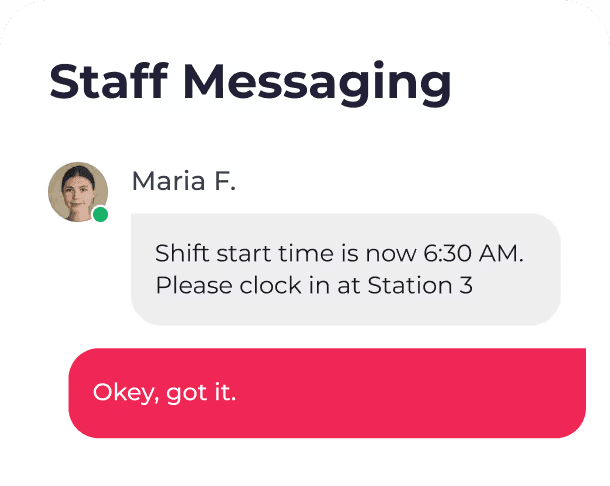
A growing number of locals have moved dispatch onto software. In that setup, the member experience is different. Shift offers arrive by text or push notification with the venue, call time, department, and rate attached. You accept or decline from your phone. You update your own availability instead of calling the hall. You can see where you sit on the seniority list rather than guessing. Clock-in happens on your device at the venue, and hours flow through to payroll without anyone retyping a timesheet.
IATSE Local 631 in Central Florida is one example. The local announced Roosted as its primary dispatch system effective January 1, 2026, replacing its previous call system. Roosted is built for that kind of hall, with custom seniority tracking configured to a local's own bylaws and automated call sequencing that works the list in the correct order and logs every offer.
If you are joining a local that dispatches this way, the practical advice is simple. Turn on notifications, keep your availability accurate, and check your seniority standing yourself instead of asking the dispatcher.
Mistakes That Slow People Down
Contacting only one local. If you are in a market with multiple jurisdictions, or willing to relocate, more doors mean faster entry.
Turning down short-notice calls. Availability is the trait dispatchers value most, and declining repeatedly moves you down the informal list well before it affects the formal one.
Not tracking your own hours. When eligibility comes down to days worked, your records are your evidence.
Going quiet between calls. Checking in periodically keeps you in mind without being a nuisance.
Skipping certifications. Safety and equipment cards expand what you can be called for, and they are usually cheap relative to the work they unlock.
Assuming the process is uniform. Advice from a friend in a different local may be accurate for them and wrong for you.
Frequently Asked Questions
How long does it take to join IATSE?
It depends on the local and the market. Requirements are commonly measured in days or hours worked, and busy locals may also have waiting lists or limited application windows. Plan for a multi-year timeline from your first permit call to approved membership, and confirm your local's specific requirements rather than working from a general estimate.
Do you need experience to join IATSE?
You need experience to become a member, but not to start. Permit work is designed as the entry point, and many locals will take on inexperienced workers for load-ins, load-outs, and general crew calls. Experience and certifications then accumulate through that work.
How much does it cost to join IATSE?
Initiation fees and dues are set by each local and vary widely. Local 891 publishes a total of $880 to join, which is one data point rather than a standard. Ask your local for its current fee schedule and whether payment plans are available.
Can you work union calls without being a member?
Yes. That is what permit work is. You work under the local's agreement on the same jobs, but you are dispatched only after members have been offered the work.
What is the difference between a permit worker and a member?
Members have voting rights, formal seniority, benefits eligibility under the local's agreements, and first access to calls. Permit workers have none of those, and their status can be revoked at the local's discretion.
Is IATSE worth joining?
For people who want live events, theater, film, or television as a career rather than a side income, the wage scales, benefits, and dispatch priority are difficult to match outside the union. The tradeoff is a long entry process and starting at the bottom of the seniority list.
If You Run a Local
Most of this guide is written for people trying to get in. If you are on the other side of the counter, running dispatch for a hall, the operational reality is that seniority rules, availability, and call sequencing get complicated fast, and doing it by phone and spreadsheet costs dispatcher hours and creates disputes.
Roosted supports seniority-based dispatch configured to your local's bylaws, automated call offers in list order, member self-service availability, and a full audit trail of every offer made. See how Roosted works for stage labor and union halls.