Why Roosted's Time Tracking Now Loads Up to 50% Faster (And What That Means for Your Team)
Roosted's new two-tier loading and pre-computed pay rate lookups cut time tracking load times by 30-50%. See how it works for on-demand teams.
When you're managing dozens or hundreds of on-demand workers across shifting pay periods, your time tracking dashboard isn't a nice-to-have. It's the screen you live in before every payroll run. Slow load times there don't just waste minutes. They create a window where errors slip through, approvals get delayed, and your payroll deadline starts feeling tighter than it needs to.
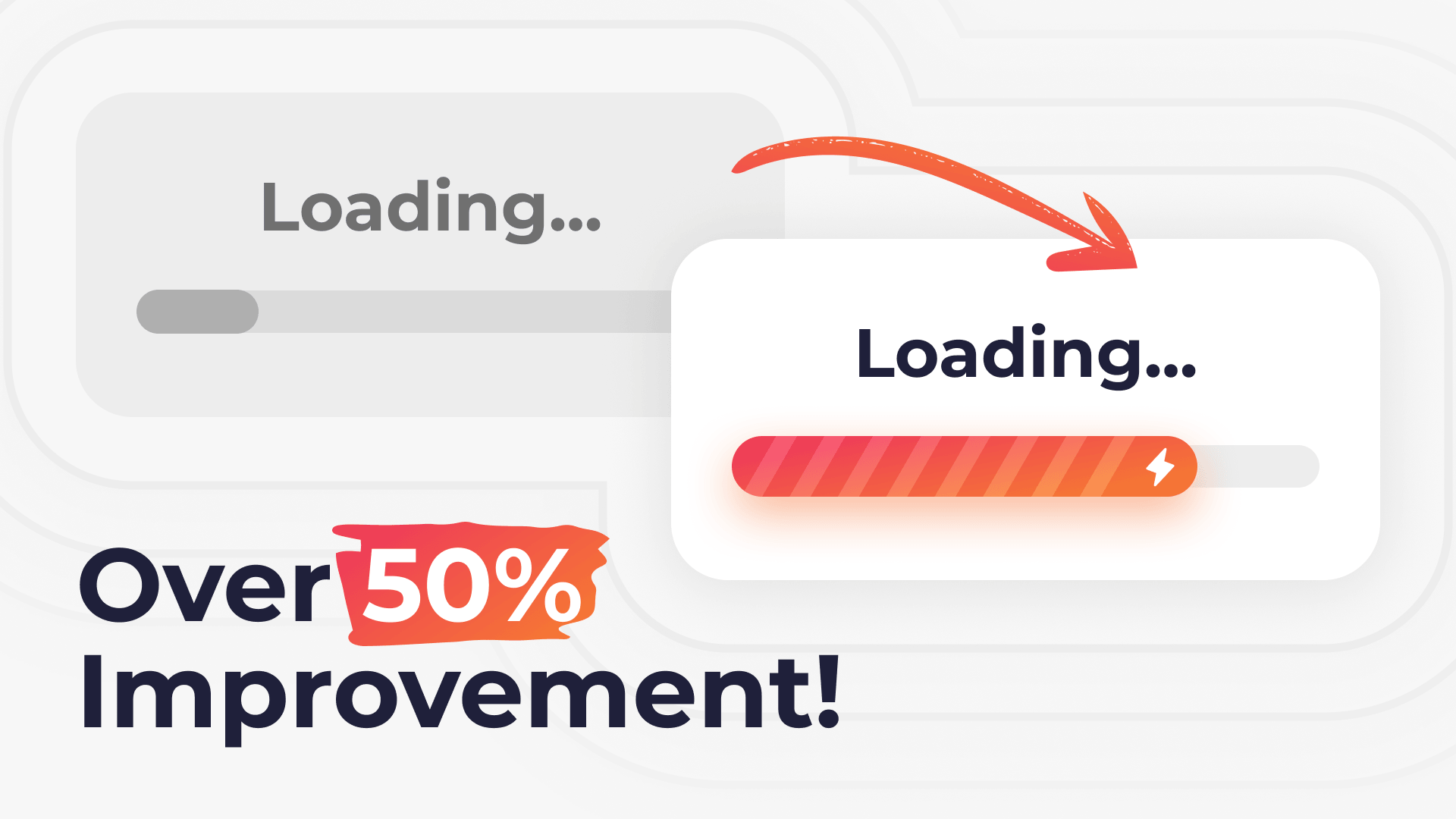
Roosted just shipped a significant performance upgrade to time tracking: a two-tier loading architecture and pre-computed pay rate lookups that cut page load times by 30-50%. Here's what changed and why it matters for teams running complex on-demand operations.
The Problem With Slow Time Tracking at Scale
Most time tracking tools work fine when your team is small. Ten workers, simple pay rates, one pay period to review. But the math changes fast when you're staffing events, security details, or healthcare shifts with a larger workforce.
At that scale, every click in the time tracking dashboard carries more weight. Filtering by pay period means the system is pulling wage data for hundreds of workers, each with potentially different pay rates, overtime rules, and break requirements. Add in multiple clients with different billing structures, and the dataset behind a single page load gets substantial.
The result is familiar to anyone who's managed payroll under pressure: you click, you wait, you lose a few seconds. Then you filter, wait again. Over the course of a payroll cycle, those delays compound into real friction.
What Changed Under the Hood
Roosted's engineering team rebuilt how the time tracking page retrieves and displays worker data. The upgrade has two parts.
First, the worker list now loads in two tiers. The initial view shows punch counts, shift counts, and issue flags immediately, giving you a usable overview of your workforce within moments of opening the page. The heavier calculations, like full wage validation and pay rate resolution, load in the background. You're not staring at a spinner while the system crunches numbers you don't need yet.
Second, pay rate lookups are now pre-computed. Previously, resolving the correct pay rate meant checking each punch individually against the relevant wage rules. For a company with complex overtime calculations, shift differentials, or client-specific rates, that added up quickly. Now, a lookup table resolves pay rates in a single pass, which eliminates redundant calculations and speeds up every subsequent interaction on the page.
The technical details matter less than what you experience: the page loads faster, filtering is snappier, and the whole dashboard feels more responsive.
What 30-50% Faster Actually Looks Like
Percentages are abstract. Here's what the improvement translates to in daily operations:
Payroll review for 200+ workers: You open the time tracking page on Thursday afternoon to approve hours before Friday's payroll deadline. The worker list populates immediately with punch counts and flags, so you can start reviewing issues while wage calculations finish loading in the background.
Filtering across pay periods: A staffing coordinator needs to compare hours between the current and previous pay period for a specific client. Each filter change responds faster, which means less time toggling and more time catching discrepancies.
Spotting clock-in problems early: A security company running overnight shifts notices a pattern of late clock-ins at one site. Pulling up that data and drilling into individual records is noticeably quicker, which means the conversation with the site manager happens the same morning instead of after lunch.
The improvement scales with complexity. The more workers, pay rules, and historical data your account carries, the more noticeable the difference.
Why Speed Is a Feature, Not a Footnote
When companies evaluate workforce management software, the conversation usually centers on features: scheduling, compliance, integrations, reporting. Performance rarely makes the checklist. But the speed of your core tools directly affects how much your team can get done in a day, and how much trust they place in the system.
A time tracking dashboard that lags under load trains your team to work around it. They export to spreadsheets, batch their reviews into fewer sessions, or skip spot-checks they'd otherwise do if the tool were faster. None of that shows up on a feature comparison chart, but it shows up in payroll accuracy and team efficiency.
Roosted's investment in performance is part of a broader approach: building for the operational reality of on-demand staffing, not just the feature checklist. This update pairs with the recent scheduling calendar speed improvements, which cut calendar load times by up to 75%. Together, they reflect a platform that's getting faster in the places where speed matters most.
Faster Time Tracking Feeds Into Everything Else
Time tracking doesn't exist in a vacuum. Approved hours flow directly into payroll through Roosted's payroll integration, eliminating manual data entry. Faster time tracking means faster approvals, which means payroll runs on time with fewer last-minute corrections.
It also connects to compliance. Roosted is designed to support complex labor rules, overtime calculations, and break requirements aligned with frameworks like FLSA. When your time tracking dashboard loads quickly and surfaces issues (flagged punches, missing clock-ins, overtime alerts) without delay, you're more likely to catch problems before they become payroll errors or compliance gaps.
For companies using Roosted's reporting center, faster underlying data also means faster report generation. The improvement ripples through every workflow that depends on accurate, timely hour data.
No Action Required
Like the scheduling calendar upgrade, this improvement is automatic. There's no migration, no setting to enable, and no plan upgrade required. Every Roosted customer with time tracking enabled is already seeing faster load times. If you're evaluating the platform, you're experiencing the improved version from day one.
Try It Yourself
If you're managing on-demand staff and your current time tracking tool bogs down during payroll week, it might be worth seeing how Roosted handles it. The platform is built for the complexity of flexible staffing, from smart shift matching to GPS-verified mobile time clocks to the performance improvements covered here.